Be yourself; Everyone else is already taken.
— Oscar Wilde.
This is the first post on my new blog. I’m just getting this new blog going, so stay tuned for more. Subscribe below to get notified when I post new updates.
Be yourself; Everyone else is already taken.
— Oscar Wilde.
This is the first post on my new blog. I’m just getting this new blog going, so stay tuned for more. Subscribe below to get notified when I post new updates.
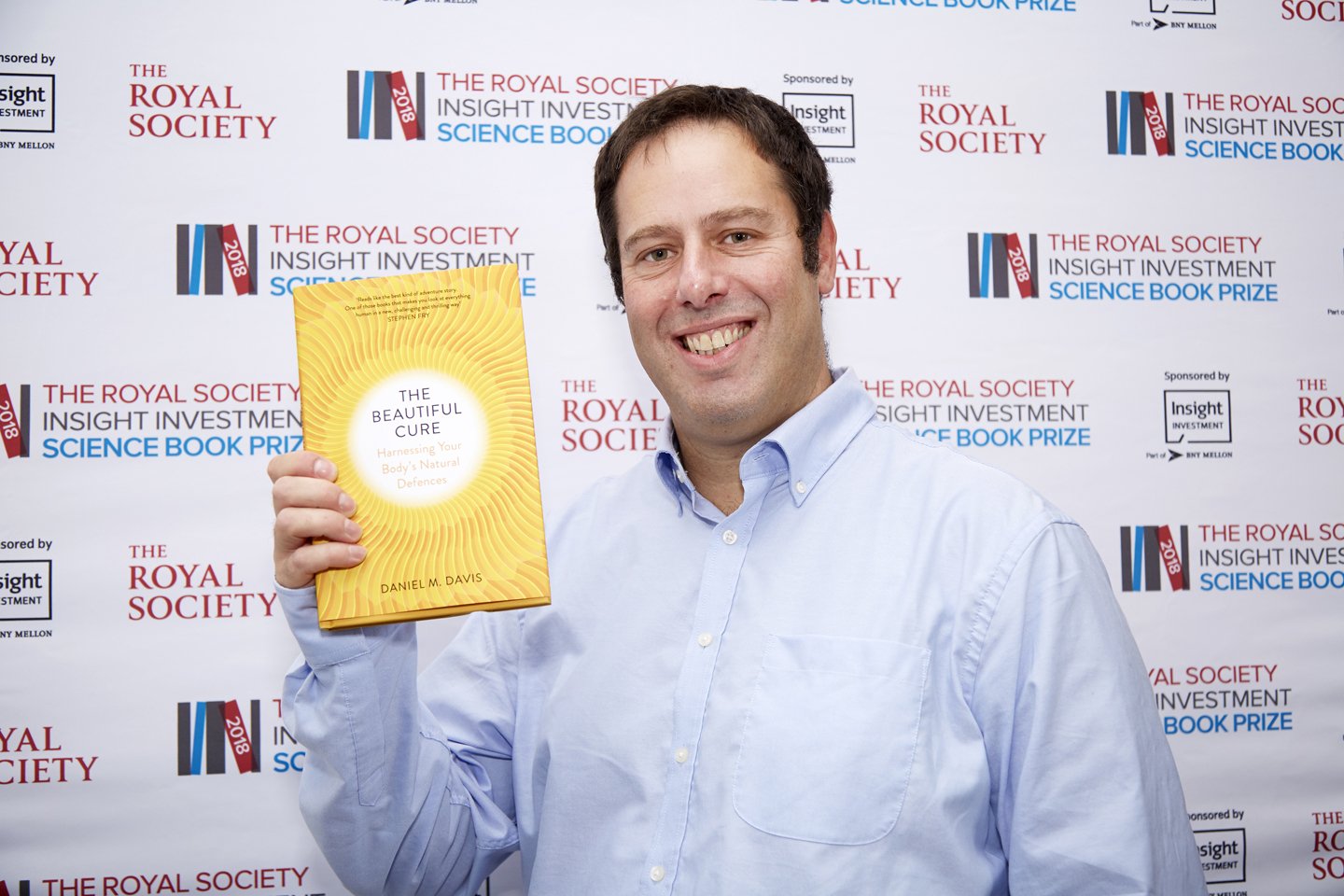
Unfortunately, I had to call an audible for my book review assignment and choose another book (since Survival of the Sickest was published a little too long ago, given the assignment guidelines). Instead, I will be reviewing Daniel M. Davis’ The Beautiful Cure: The Revolution in Immunology and What It Means for Your Health. While it is a different title and was published much more recently, the topic remains relatively the same: the human immune system.
Survival of the Sickest seemed to have more of a focus on the history of our immune system, specifically the gradual evolution of it. The Beautiful Cure, on the other hand, focuses on our knowledge of the immune system and how we’ve come to use it to begin the revolution of immunity, immunology, and immunotherapy.

One specific topic that has been focused on in the book is immunotherapy; and Davis offers multiple examples of it. One of these examples includes T-cell therapy and how it has revolutionized the treatments of multiple diseases like cancer. A recent scientific research article proves this statement true, giving an historical review of T-cell therapies and how immunotherapy has become the fifth pillar in cancer care. Two scientists mentioned — both in the article and book — are James Allison and Tasuko Honjo. The two men are known to be pioneers in the field of T-cell research, as they have jointly received the Nobel Prize in Physiology or Medicine for their work on checkpoint inhibitors.
One of their largest accomplishments was their discovery of “T-cell inhibitory signaling pathways” that, when activated, “prevent effective cancer immunity” (Singh and McGuirk, 2020). By using antibodies to block these inhibitory signaling pathways, T-cell activation was able to be restored and broad antitumour effects were clinically observed. In simpler terms, both men discovered “brakes” in our immune systems, in which certain proteins stop the production of T cells that attack tumors. By applying antibodies to these proteins, we are able to release the brakes and unlock the antitumour T cell production.
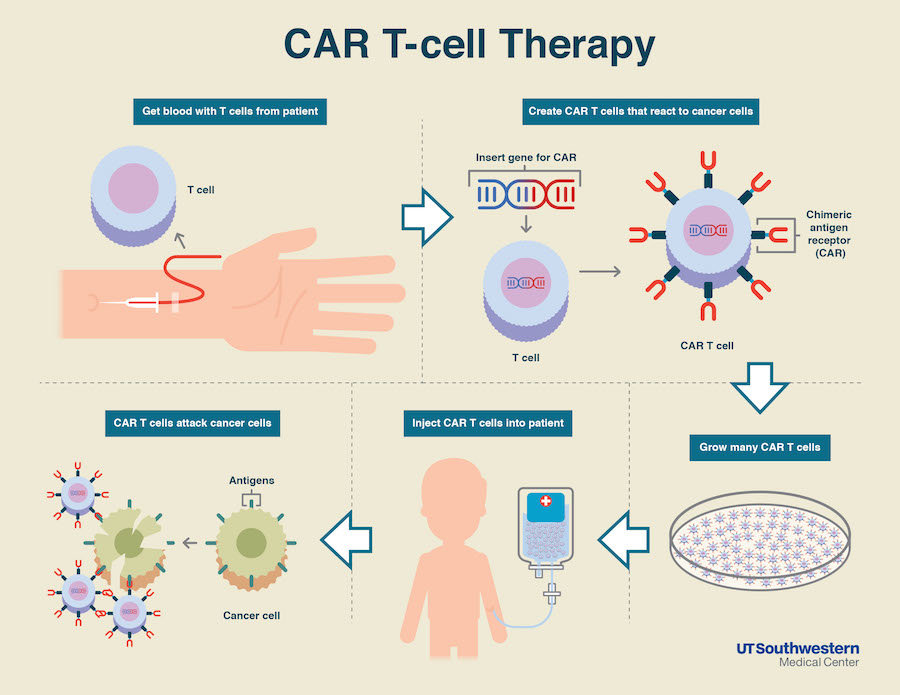
While these discoveries were made a few decades ago, scientists have built upon the field of immunotherapy and shifted the framework of T cell therapy in the form of CAR T-cell therapy, a new form that focuses on T-cell engineering and the use of synthetic T-cell receptors rather than physiological ones.
I’m looking forward to continuing to learn about T-cell research, and hopefully CAR T-cell therapy, while reading The Beautiful Cure.
Citation:

We’re living in extremely weird times. With everything going on around the world with the coronavirus, in addition to all the other crazy news we have gotten since the start of the new year, it seems like we’re really living in the twilight zone. Hospitals are flooded, most public spaces like gyms and restaurants are closed indefinitely, the streets are empty, school is out (kinda), and we’re all just trying our best to keep safe and sane while under lockdown until the virus slowly runs its course.
With all that being said… if there was ever a good time to sit down, relax, and read a good book, now would probably be the perfect time. So, while it has been a very unfortunate few weeks since we’ve been out of actual class, our book review assignment couldn’t have come at a better time. After browsing through Barnes and Noble’s best-of science list (shout out to Dr. Dow for the link), I stumbled across a book that sounded extremely intriguing and relevant to all of our lives today.
The book, written by Sharon Moalem and Jonathan Prince, is titled Survival of the Sickest: The Surprising Connections Between Disease and Longevity. Given our current living situations, I figured, “why not?” With a novel virus going around and seeing/hearing about how it fascinatingly affects people in such different ways, it would be interesting to learn how illnesses (which I’m hoping, within the book, includes viruses) have long-term evolutionary effects on the human population. I’m also hoping to not only gain some tips on how to increase my health and longevity, but also take a deeper dive on some of the biological processes that go into our bodies’ defenses against illnesses. Learning about modern medicine and its role in helping us fight off such illnesses would be fun to read and learn about as well.

The death, undertaking, and burial process is something we don’t seem to think about too often, especially when it comes to animals (other than ourselves). One group of animals that have quite a particularly interesting undertaking process, as discussed in a recent Science article, are bees. A new study conducted by Wen Ping, an ecologist at the Chinese Academy of Sciences’ Xishuangbanna Tropical Botanical Garden, may have revealed how the ‘undertakers” of the bee world are able to find their deceased hive mates in less than 30 minutes, without the help of released odors of decay.
So how is it done? Wen speculated that the process of locating the dead bees dealt with the lessening of pheromones being released into the air after the bee died, as well as its decrease in body temperature. Like most insects, bees are covered in compounds known as cuticular hydrocarbons (CHCs), which make up the waxy coating on their cuticles that help prevent desiccation. While the bees are alive, these molecules are constantly being released into the air and are used to recognize hive members. By using a chemical method of gas detection, Wen confirmed that cooled dead bees release fewer amounts of CHC molecules than live ones.
To further test his hypothesis, Wen then had to ask: can undertaker bees recognize this change? This led to a series of experiments with Asian honey bees, in which the undertakers removed the regular, cool dead bees within a half an hour. However, after heating the dead bee on a petri dish, it took several hours for the undertakers to notice the body, since it was presumed that the warm dead bee released close to the same amount of CHC as the living bees. Lastly, Wen used hexane to wash off and dissolve the CHCs from the dead bees, in which the undertakers removed nearly 90% of the hot, clean dead bees within a half an hour.
The findings of the experiment suggests that it wasn’t temperature that undertakers used to detect and diagnose death, but the absence of CHC emissions. However, Wen had made a strong case with his study that both the reduction of temperature and CHC emissions lead undertakers to recognize the dead bees and eventually remove them. As stated by Yehuda Ben-Shahar, an entomologist at Washington University, Wen’s study is only the start. Death recognition is an extremely complex process and there may be other components to it besides the ones found by the series of experiments. For example, bees can also “smell” with their antennae and “taste” with their feet, which can both play roles in death recognition. Surely, more research and experimentation must be done in order to fully understand the intriguing process.

References:

Have you ever looked at yourself and said, “man, if only there was a way that I can go into my genome and change certain DNA sequences to rid myself of that unwanted trait of mine.” Well, if you have, you might be in luck!
CRISPR, or clustered regularly interspaced short palindromic repeats (I know, a mouthful), is a relatively new technology that can be used as a genetic editing tool to remove, add, or alter specific pieces of DNA. In other words, CRISPR has the ability to completely change your genes! While the technology has been under certain controversy, it has the potential to completely change the healthcare system as we know it. While CRISPR has many abilities, the most intriguing is its use is to treat genetic diseases.
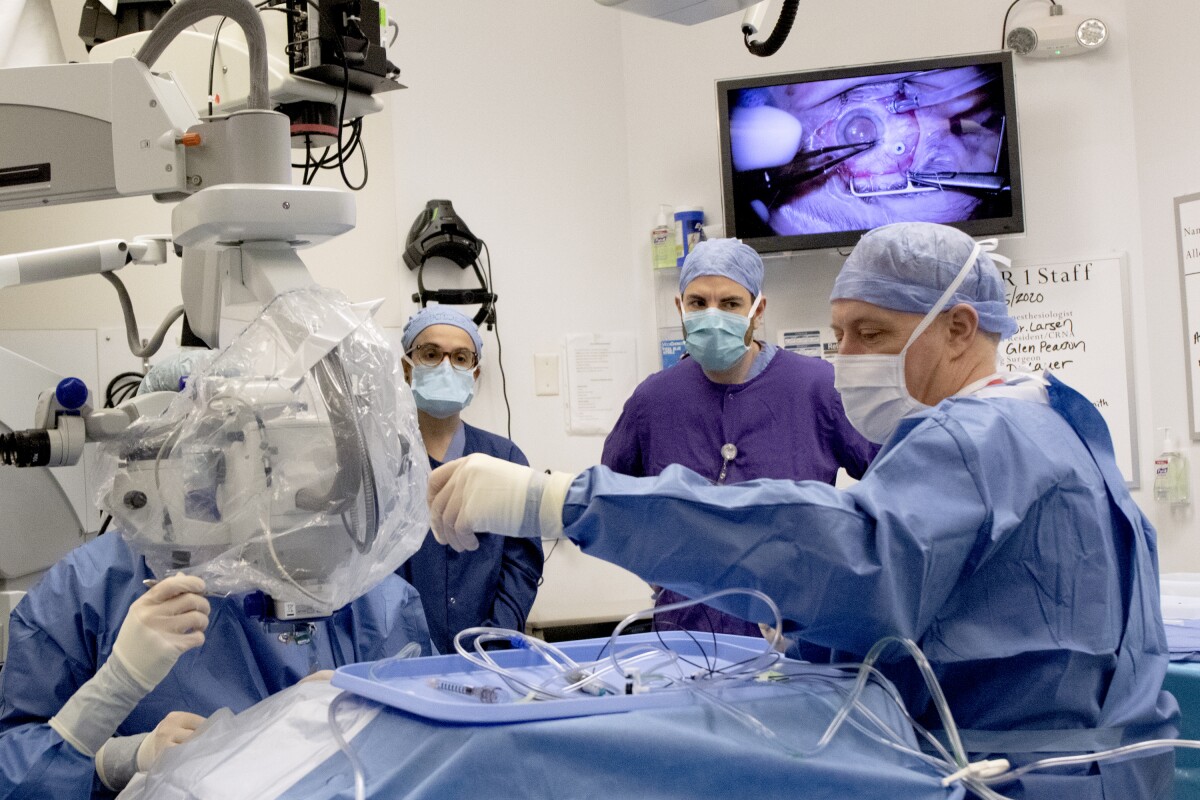
A recent article from nature discusses a CRSIPR breakthrough, as it has finally been inserted into a human body as a medical treatment for the first time in history. The patient, who has Leber’s congenital amaurosis 10 (LCA10), a rare condition that is the leading cause of blindness in childhood, has recently become the first to receive a CRISPR–Cas9 gene therapy directly into the body. So how was it done?
The gene editing technique, which is encoded in the genome of a virus, is first injected near the light-sensing photoreceptor cells in the eye, then proceeds to delete a mutation in the CEP290 gene that directly causes LCA10 (Ledford, 2020). By doing so, researchers expect the photoreceptor cells to become reactivated after being disabled by the mutation in CEP290.
The article also points to other experimental treatments used to treat patients with LCA10; one being sepofarsen. Early results have suggested that the antisense technique that sepofarson uses, which corrects an LCA10-causing mutation in the gene’s RNA, has improved the eyesight of people with LCA10. The hopes are to see similar or even better results with the CRISPR-Cas9 technique.
While it might not make the front covers of your local newspaper, the news has huge implications in the field of science and medicine. This first patient certainly makes history and marks a huge step in the use of CRISPR technology in healthcare. With this news, we are on the cusp of a potential scientific revolution, if we continue to make improvements and advancements with CRISPR. What a time to be alive!
Citation: – Ledford H. (2020). CRISPR treatment inserted directly into the body for first time. nature. https://www.nature.com/articles/d41586-020-00655-8

In the midst of all the craziness that has been going on regarding the coronavirus outbreak, we have finally found a bright spot coming from our buddies down in Israel. According to a recent article posted by the New York Post, a group of scientists, known as MIGAL from the Galilee Research Institute, have been modifying a particular vaccine which works for the avian coronavirus, known as Infectious Bronchitis Virus (IBV). The hopes are to correctly adapt this vaccine to work for COVID-19.
The research team, which is made up of 80 PhDs and 260 researchers across 53 labs, found that that the poultry IBV coronavirus is genetically similar and uses the same method of infection as the human one. After discovering this, they decided to take their proven IBV vaccine and adjust its formula. What makes this particular vaccine interesting is its use of a new protein expression vector, which “forms and secretes a chimeric soluble protein that delivers the viral antigen into mucosal tissues by self-activated endocytosis” (Steinbuch, 2020). This process of endocytosis, which utilizes vesicles to bring in the ingested vaccine materials into our cells, allows the body to ultimately produce antibodies to fight against the virus.

According to Dr. Chen Katz, MIGAL’s biotech group chief, the team is in the middle of the process of adjusting the vaccine to target COVID-19, and “hopefully in a few weeks we will have the vaccine in our hands” (Steinbuch, 2020). MIGAL’s CEO David Zigdon also added that the vaccine could “achieve safety approval in 90 days”, given the urgency to accelerate development and all approval processes so the general public can have access to a cure.
While the timeline the Israelis are offering for a possible vaccine sounds ideal, it might be a little too ideal. While I (and almost everyone else around the world) would love for this breakthrough to actually work so we can get the cure out as fast as possible, reality is we might have to wait a little longer than MIGAL’s predicted best-case scenario. It is important to look at the optimistic side, however, and realize that we are getting extremely close to finding a cure. We must also note that there are other groups like MIGAL all around the world and in the U.S. that are working just as hard and are finding their own potential vaccines as well. It certainly won’t be too long till we come up with one, and we can finally put an end to COVID-19’s reign.
Reference: – Steinbuch, Y. (2020, February 28). Israeli scientists claim to be weeks away FROM Coronavirus vaccine. Retrieved February 29, 2020, from https://nypost.com/2020/02/28/israeli-scientists-claim-to-be-weeks-away-from-coronavirus-vaccine/
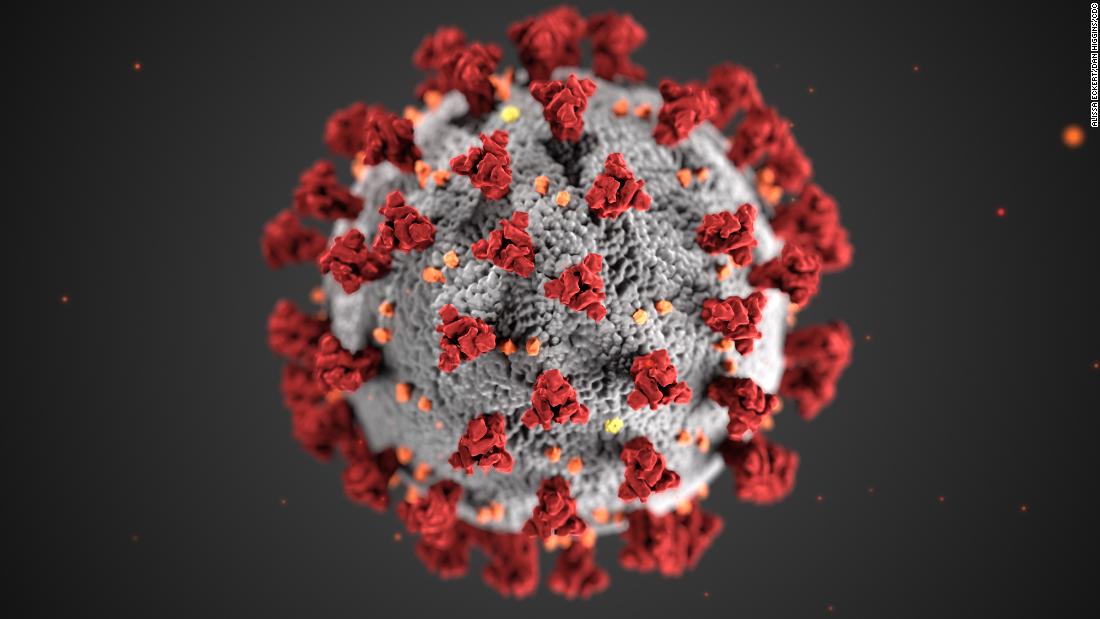
If you haven’t noticed already, a coronavirus (specific strain known as COVID-19) has kinda taken the world by storm and hasn’t showed many signs of slowing down. While doctors and scientists have been working endlessly to find out as much as they can on the unknown strain, we as citizens must keep ourselves educated as well. Although it might not be our job, we should still keep ourselves informed on the issue for our safety and benefit. So, what should we know about COVID-19?
Well, one interesting piece of information to know would be the actual pathway of transmission of the virus. In other words, how did humans contract the virus in the first place? The exact source of the virus is still unknown, however, we do know that this new strain comes from a family of coronaviruses that are zoontic. This means the virus is transmitted from animals to humans. For example, one previous virus that affected humans in the past, which is related to COVID-19 and is being used as a guide for scientists today to understand the new strain, is the SARS-associated coronavirus (SARS-CoV).
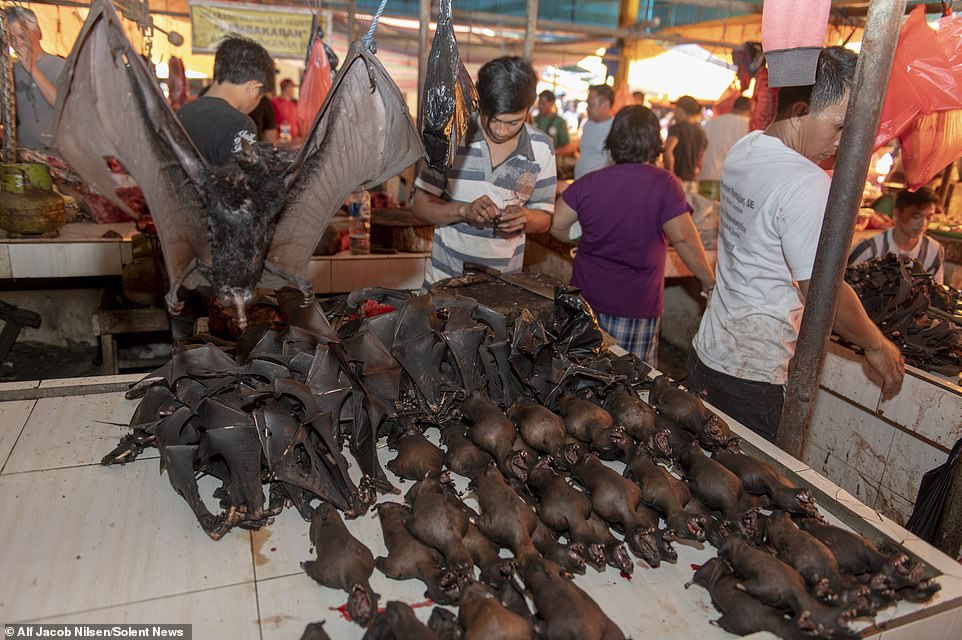
An academic research article from the American Society for Microbiology analyzes the transmission pathways of SARS-CoV in China, which could help shed some light on the possible pathways of the new COVID-19. The article highlights Chinese markets selling a wide variety of food animals, both common and exotic, which have ultimately caused the transmission of certain strains of coronaviruses. In the case of SARS-CoV, “genome sequences of viruses isolated from bats, civets, and humans” suggested that bats sourced the virus as a natural reservoir then “crossed the species barrier to infect civets”, which then served as an “amplification host for yet another host range shift to generate a human-tropic virus” (Sheahan et al., 2008). Within the wet markets in China, infected bats and civets most likely had been sold and eventually led to human infection and caused the SARS outbreak in the early 2000s.
Fast forward to 2020, the extended analyses from this specific research article, as well as the hundreds of similar works that have been published over the years, may offer clues to answering the question of where this unknown strain, COVID-19, has come from. As the old expression goes, knowing is half the battle. Knowing the origin of COVID-19 can make the battle of finding a treatment and eventually stopping its spread a lot easier for the doctors and scientists working around the clock fighting all around the world. Not only does this information help them, but it also helps the general public stay informed and educated on the very important matter.
Citation:
This is an example post, originally published as part of Blogging University. Enroll in one of our ten programs, and start your blog right.
You’re going to publish a post today. Don’t worry about how your blog looks. Don’t worry if you haven’t given it a name yet, or you’re feeling overwhelmed. Just click the “New Post” button, and tell us why you’re here.
Why do this?
The post can be short or long, a personal intro to your life or a bloggy mission statement, a manifesto for the future or a simple outline of your the types of things you hope to publish.
To help you get started, here are a few questions:
You’re not locked into any of this; one of the wonderful things about blogs is how they constantly evolve as we learn, grow, and interact with one another — but it’s good to know where and why you started, and articulating your goals may just give you a few other post ideas.
Can’t think how to get started? Just write the first thing that pops into your head. Anne Lamott, author of a book on writing we love, says that you need to give yourself permission to write a “crappy first draft”. Anne makes a great point — just start writing, and worry about editing it later.
When you’re ready to publish, give your post three to five tags that describe your blog’s focus — writing, photography, fiction, parenting, food, cars, movies, sports, whatever. These tags will help others who care about your topics find you in the Reader. Make sure one of the tags is “zerotohero,” so other new bloggers can find you, too.
Have a WordPress.com account? Log in now.

