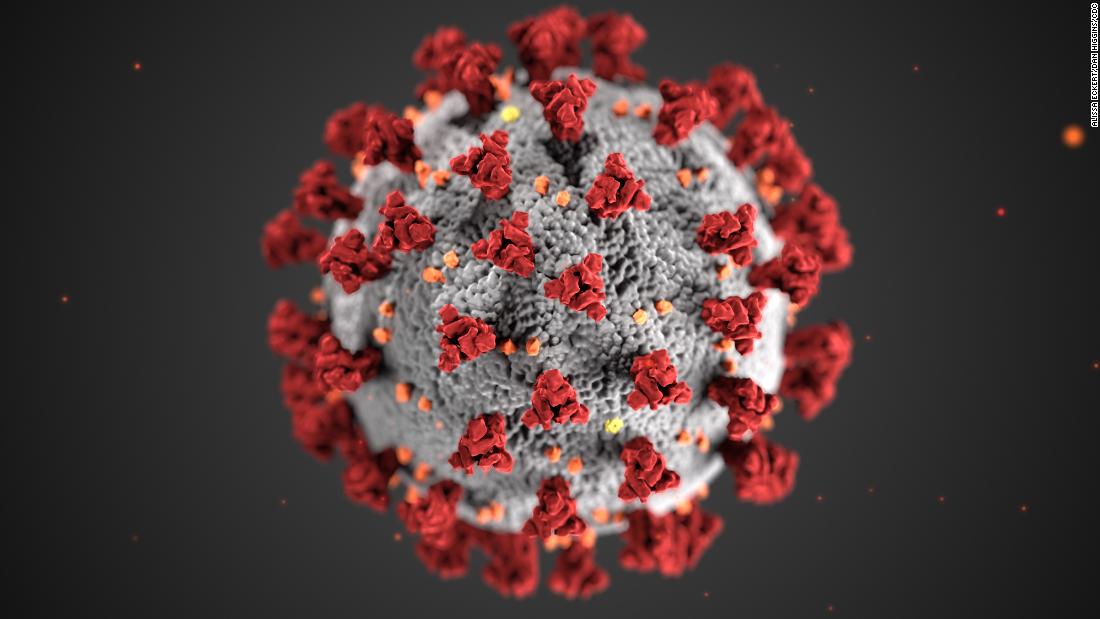
If you haven’t noticed already, a coronavirus (specific strain known as COVID-19) has kinda taken the world by storm and hasn’t showed many signs of slowing down. While doctors and scientists have been working endlessly to find out as much as they can on the unknown strain, we as citizens must keep ourselves educated as well. Although it might not be our job, we should still keep ourselves informed on the issue for our safety and benefit. So, what should we know about COVID-19?
Well, one interesting piece of information to know would be the actual pathway of transmission of the virus. In other words, how did humans contract the virus in the first place? The exact source of the virus is still unknown, however, we do know that this new strain comes from a family of coronaviruses that are zoontic. This means the virus is transmitted from animals to humans. For example, one previous virus that affected humans in the past, which is related to COVID-19 and is being used as a guide for scientists today to understand the new strain, is the SARS-associated coronavirus (SARS-CoV).
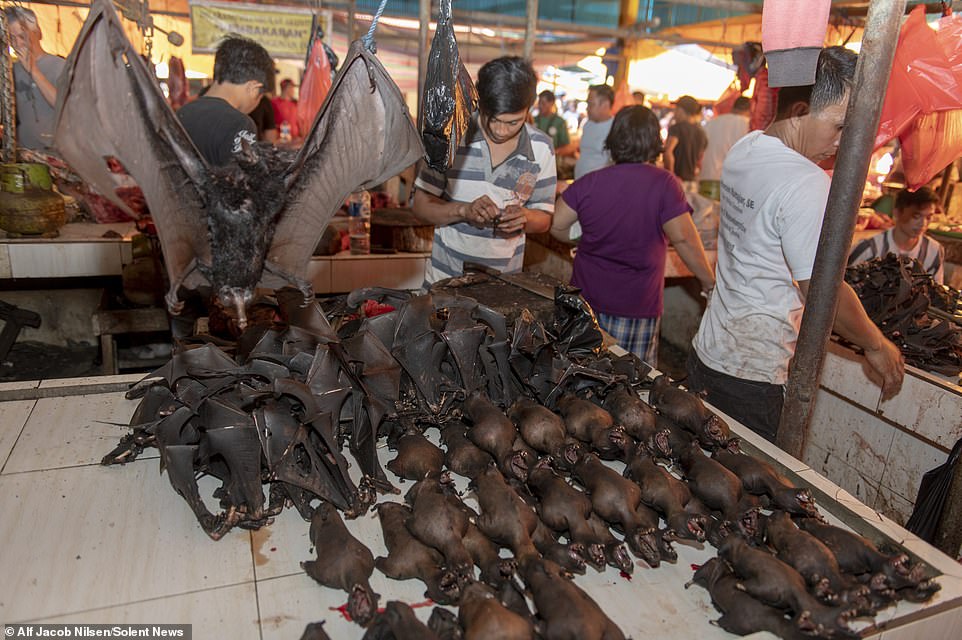
An academic research article from the American Society for Microbiology analyzes the transmission pathways of SARS-CoV in China, which could help shed some light on the possible pathways of the new COVID-19. The article highlights Chinese markets selling a wide variety of food animals, both common and exotic, which have ultimately caused the transmission of certain strains of coronaviruses. In the case of SARS-CoV, “genome sequences of viruses isolated from bats, civets, and humans” suggested that bats sourced the virus as a natural reservoir then “crossed the species barrier to infect civets”, which then served as an “amplification host for yet another host range shift to generate a human-tropic virus” (Sheahan et al., 2008). Within the wet markets in China, infected bats and civets most likely had been sold and eventually led to human infection and caused the SARS outbreak in the early 2000s.
Fast forward to 2020, the extended analyses from this specific research article, as well as the hundreds of similar works that have been published over the years, may offer clues to answering the question of where this unknown strain, COVID-19, has come from. As the old expression goes, knowing is half the battle. Knowing the origin of COVID-19 can make the battle of finding a treatment and eventually stopping its spread a lot easier for the doctors and scientists working around the clock fighting all around the world. Not only does this information help them, but it also helps the general public stay informed and educated on the very important matter.
Citation:
- Sheahan T., Rockx B., et al. (2008). Pathways of Cross-Species Transmission of Synthetically Reconstructed Zoonotic Severe Acute Respiratory Syndrome Coronavirus. Journal of Virology, 82(17), 1-1. https://jvi.asm.org/content/82/17/8721.abstract
 ScienceHut